Updated: 25 октября, 2026
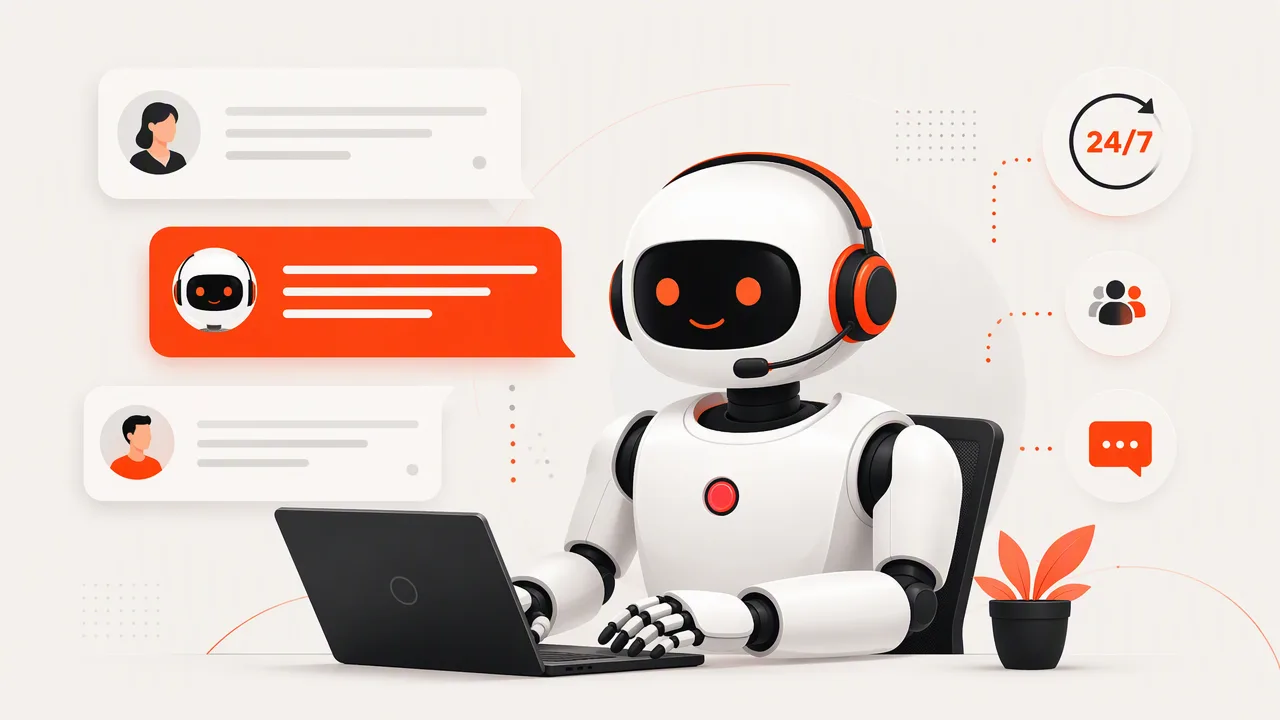
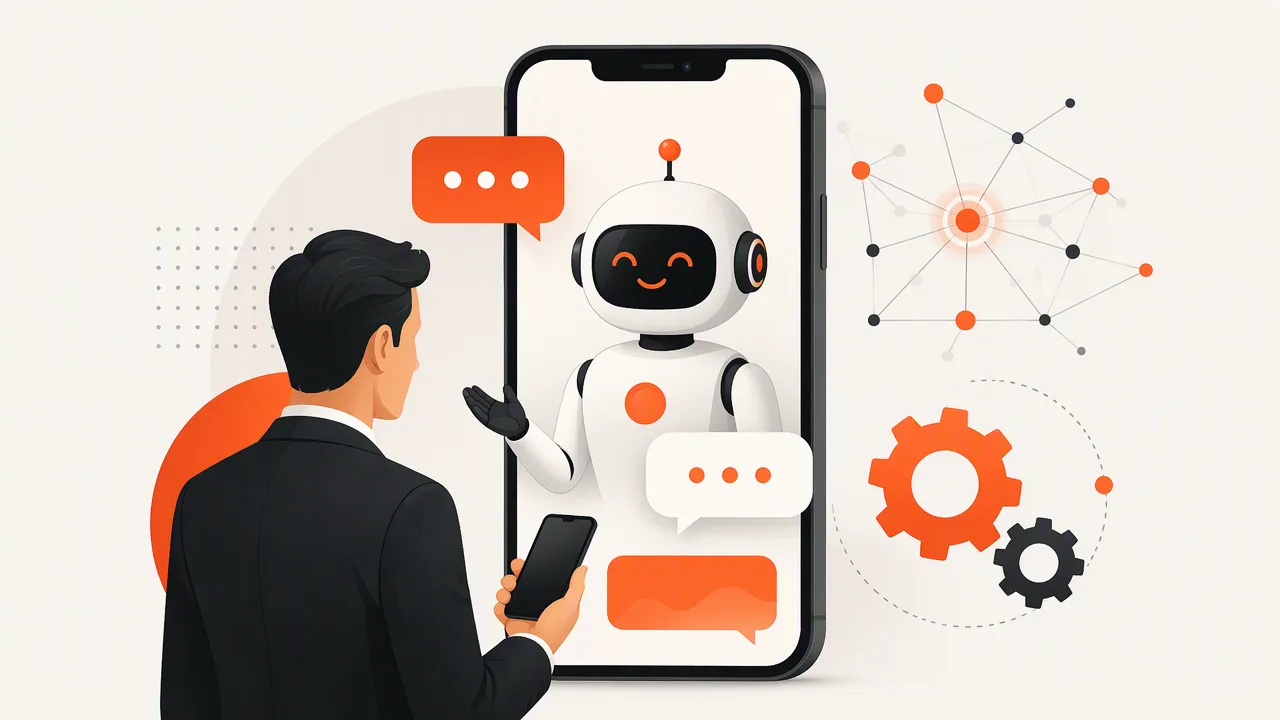
Short answer: An AI mentor answers newcomers’ questions about policies and instructions 24/7, walks them through the adaptation plan and tests their knowledge. Time-to-productivity drops by 30–50%. Launch from $2,000 and 3 weeks.
In their first month, a newcomer asks dozens of «silly» questions a day — distracting their mentor from real work. Meanwhile, up to 20% of new hires quit within the first 3 months, often because of chaotic onboarding. The AI mentor absorbs the routine while the human mentor focuses on the person.
How AI onboarding works
- Answers from your policies: «how do I book a business trip», «where do I get a certificate» — instantly, with a link to the document;
- Adaptation plan: first-weeks tasks per role, reminders, checkpoints;
- Knowledge checks: mini-quizzes on the product and processes with error breakdowns;
- Risk signals: if a newcomer is stuck or missing checkpoints, HR learns immediately — not at the probation review;
- Question analytics: everything newcomers ask reveals which policies are unclear — and they get improved.
Economics for companies of 30–300 people
A mentor spends 10–20 hours per newcomer in the first month; hiring 5+ people a month makes that a full-time role. AI closes 60–70% of the questions. Related: the AIHub document search product, AI for HR and recruiting, and our AI systems development service.
FAQ
Do our policies need rewriting?
Usually not: the AI indexes documents as they are; newcomer questions reveal what needs clarification.
Where does the assistant live?
In Telegram, Slack or your corporate portal — wherever employees already talk.
Does it work for remote teams?
Yes, especially: remote staff can’t «walk over and ask» — the assistant becomes the first line.
How much does it cost?
From $2,000 and 3 weeks; maintenance from $200 per month.